Level 4 Certificate in Canine Hydrotherapy for Musculoskeletal Practitioners
Advance your MSK skill set with focused theory and hands-on hydrotherapy training—without committing to a full Level 4 Diploma. This IRVAP (ICH) and NARCH–approved certificate strengthens safe, effective clinical practice in water.
You’ll cover:
-
Safety & welfare: Clinical Risk Assessment, health monitoring, and first aid.
-
Water operations: water quality, filtration/backwash, biosecurity, and sustainable facility practice.
-
Clinical foundations: in-depth canine functional anatomy and biomechanics to inform accurate assessment and planning.
-
Advanced techniques: evidence-based aquatic treadmill and hydrotherapy pool methods.
-
Decision-making: structured clinical reasoning and outcome-driven assessment tailored to hydrotherapy.
Outcome: Bridge MSK practice into Level 4 hydrotherapy competence—designing and delivering advanced, evidence-informed treatment plans that meet current membership requirements.
Unit: Clinical Risk, Health Monitoring & Canine First Aid (Hydrotherapy)
Build the core safety skills for water-based practice.
You’ll learn to:
-
Run Clinical Risk Assessments (CRA): identify hazards, rate risk, apply controls, and uphold hydrotherapy-specific ethical duties.
-
Screen effectively: complete thorough health checks; manage precautions vs contraindications before treatment.
-
Monitor in-session: track behaviour, pain/fatigue and vital signs with clear criteria to progress, pause or stop.
-
Meet your obligations: understand legal/professional responsibilities and escalation pathways during incidents.
-
Deliver first aid: practical CPR, bandaging, and safe emergency evacuation in pool/treadmill environments.
Outcome: Confident, compliant decision-making that keeps patients safe and sessions effective
Unit: Water Management, Biosecurity & Sustainable Operations
Gain the practical and clinical skills to run hydrotherapy water systems safely, legally, and efficiently.
You’ll learn to:
-
Meet standards: understand legal/professional duties, records, and audit readiness.
-
Operate filtration: choose, run, and maintain filters; schedule backwash to maintain water quality.
-
Handle chemicals safely: dosing, storage, PPE, spill response.
-
Test water correctly: routine testing, interpreting results, and taking corrective action.
-
Maintain biosecurity: cleaning workflows, disinfection, segregation, and robust SOPs.
-
Run the plant: day-to-day maintenance and hygiene operations.
-
Work sustainably: energy/water efficiency, eco-aware equipment choices, and waste reduction.
Outcome: Confident management of water quality and infection control, with sustainability built into everyday practice.
Understand how dogs communicate and cope in the hydrotherapy environment and use that insight to deliver calmer, safer, more effective sessions.
You’ll learn to:
-
Read behaviour: recognise stress, comfort and engagement signals in water and on deck.
-
Identify influences: manage factors that shape behaviour (pain, fatigue, prior experience, environment, equipment, water depth/temperature, jets).
-
Handle therapeutically: apply low-stress handling, safe positioning and guided movement (luring/targeting, calm touch).
-
Design enrichment: simple, clinic-ready strategies to reduce stress and boost focus.
-
Link to MSK outcomes: evaluate how handling and enrichment affect muscle activation, posture, gait and treatment success.
Outcome: Create behaviour-aware treatment plans, keep sessions low-stress, and improve both behavioural and musculoskeletal results
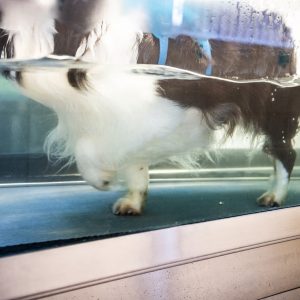
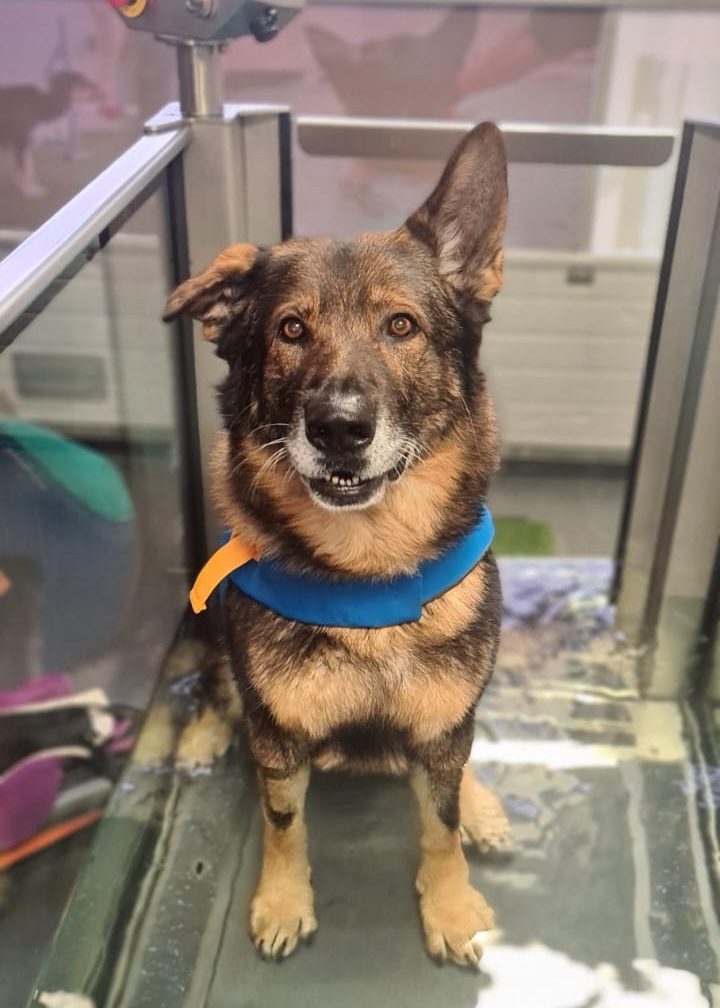
Develop the skills to plan and deliver safe, effective treadmill-based hydrotherapy tailored to each dog.
You’ll learn to:
-
Decide clinically: use assessment, behaviour, anatomy, breed traits and pathology to choose the right treadmill approach.
-
Run safe sessions: therapeutic prep, equipment checks, controlled entry/exit, and continuous health monitoring.
-
Apply techniques:
-
Proprioception: stride placement, cadence changes, perturbations, dual-tasking.
-
Movement shaping: targeting/luring, stance and step-width adjustments.
-
Therapeutic exercise: dosing speed, water depth, incline and intervals; integrate manual therapy where appropriate.
-
-
Evaluate & adapt: review effectiveness, provide aftercare/home exercise, and modify plans based on real-time canine response.
Outcome: Confident delivery of evidence-informed treadmill programmes that improve mobility, strength and function with clear safety and clinical rationale.
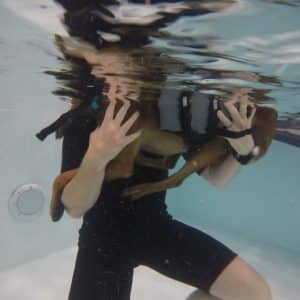
Develop advanced, pool-based hydrotherapy skills to deliver safe, targeted outcomes.
You’ll learn to:
-
Decide clinically: use assessment, behaviour, anatomy, breed traits and pathology to choose the right pool techniques.
-
Set up & stay safe: therapeutic prep, equipment checks, controlled entry/exit, and continuous health monitoring.
-
Apply techniques:
-
Proprioceptive facilitation: buoyancy, turbulence/drag, direction and cadence changes.
-
Movement shaping: targeting/luring, contact points, therapist positioning.
-
Therapeutic exercise: dosing distance, intervals, rest ratios and (where appropriate) manual therapy in water.
-
-
Aftercare & review: drying/skin/ear care, owner guidance, home exercise, outcome tracking and plan adjustments.
Outcome: Confident, individualised pool sessions that improve mobility, strength and function while maintaining high safety and welfare standards.
Turn theory into confident practice with intensive, hands-on training led by expert hydrotherapists.
What to expect
-
Expert support: live demos, guided practice and personalised feedback from highly qualified trainers/assessors.
-
Real cases: assess, treat and build tailored plans for dogs with varied ortho/neuro needs.
-
Core skills refined: safe use of the hydrotherapy pool and aquatic treadmill, appropriate manual therapies, and robust health monitoring.
-
Clinical decision-making: practise progression/regression, safety calls and referral pathways in real time.
Outcome: Leave competent in technique and confident in your clinical reasoning ready to deliver safe, effective, evidence-informed hydrotherapy.
Canine Hydrotherapy Programme Overview
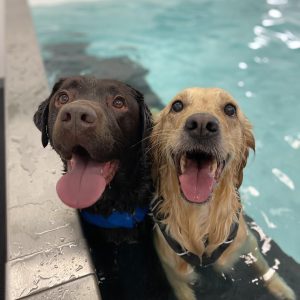
Canine hydrotherapy uses controlled, water-based exercise to support rehabilitation, mobility and overall wellbeing especially for dogs with musculoskeletal or neurological needs. By combining functional anatomy, biomechanics and pathology with practical pool/treadmill techniques, it improves strength, flexibility and joint function while keeping impact low. Safe, effective practice relies on clinical risk assessment, continuous health monitoring, and competent first aid all covered in this course.
Level 4 Certificate in Canine Hydrotherapy (Bridging)
Blend clear theory with hands-on practice in aquatic treadmills and/or hydrotherapy pools so you can assess and treat confidently.
You’ll learn to:
-
Use clinical reasoning to tailor care to each dog’s anatomy, behaviour and health status.
-
Apply techniques: manual therapy in context, targeted therapeutic exercise, and movement shaping to improve muscle function and joint mobility.
-
Maintain standards: CRA, welfare-first handling, outcome tracking, and knowing when to progress, pause or refer.
-
Run operations responsibly: sustainable water management, biosecurity, and legal/professional duties.
Outcome: Graduate able to design and deliver evidence-informed, individualised hydrotherapy programmes, monitor progress, and adapt techniques providing high-quality treatment that supports